
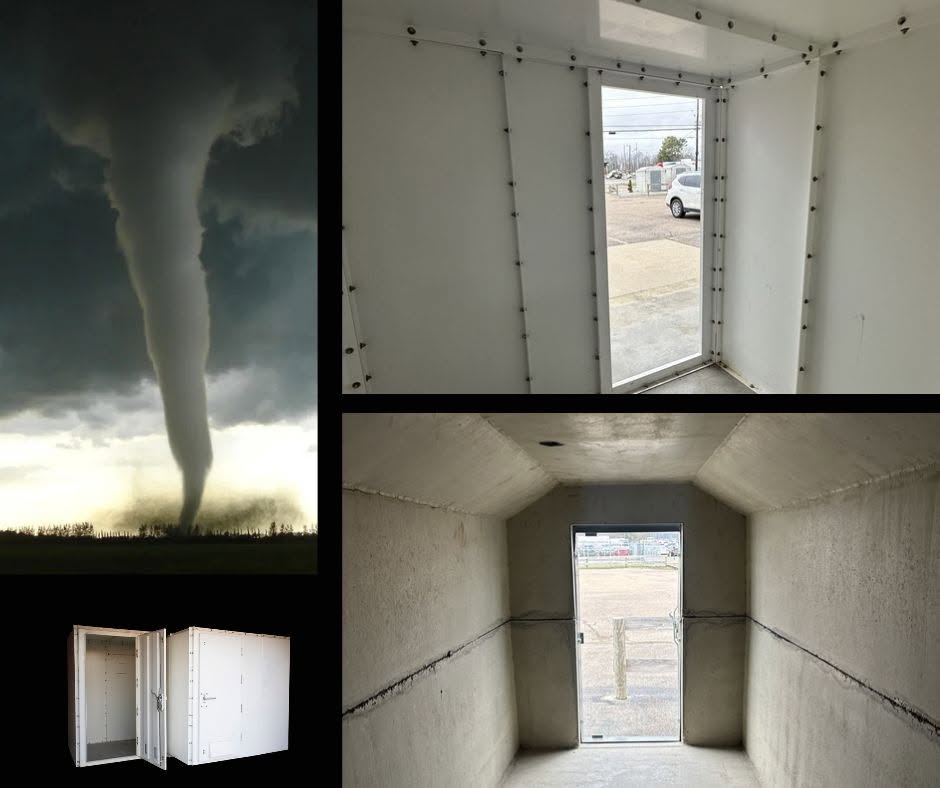
Buying a storm shelter is not something most families do every day. In fact, many homeowners start the process with more questions than answers.
Should you choose concrete or steel? Is an above-ground shelter right for your property? Where should it go? How quickly can everyone in your family reach it? Most importantly, how do you know whether the company installing it understands what is required for a safe, dependable installation?
A storm shelter is an investment in your family’s safety. Much like a smoke detector or other home safety equipment, you hope you never need it. However, when severe weather threatens, you want to know you have a safe place ready to use. Before you buy, it helps to understand your options and the mistakes that can make a good shelter a poor fit for your family or property.
The Most Common Mistakes People Make When Buying a Storm Shelter
One of the biggest mistakes is shopping by price alone.
Cost matters, of course. However, the lowest price doesn’t tell you whether the shelter is right for your property, whether the installation has been properly planned, or whether the company will be there when you have questions later.
Instead, look at the entire purchase. Consider the shelter itself, installation, accessibility, placement, site requirements, and the experience of the company doing the work.
Mistake #1: Choosing a Shelter Before Considering Accessibility
A storm shelter only helps when people can reach and enter it quickly.
Think about everyone who may need to use the shelter. Children, older adults, people with limited mobility, and wheelchair users may have very different needs.
For that reason, above-ground concrete storm shelters and steel safe rooms can be practical options for many families. Above-ground options can eliminate the need to go downstairs during severe weather. Fain also offers wheelchair-accessible options for customers who need easier entry.
Accessibility should not be an afterthought. It should be part of the buying decision from the beginning.
Mistake #2: Picking a Location Without Checking the Property
The spot that looks perfect from your back porch may not work for installation.
Before choosing a location, think about how installation equipment will reach the site. At Fain, our delivery process requires enough room for the truck and equipment to reach the selected area safely. Trees, roof overhangs, power lines, and other obstacles can affect access. Buried utilities matter as well. Locate water, gas, sewer, septic, internet, and phone lines before installation.
Soil and drainage conditions can also affect certain shelter types. Rock, slabs, and boulders may create installation challenges. Meanwhile, drainage deserves special attention when considering hillside or underground storm shelters.
A little planning before installation can prevent much bigger problems later.
Mistake #3: Thinking Every Property Needs the Same Type of Shelter
There is no single storm shelter that makes sense for every home, business, or property.
An above-ground concrete storm shelter may work well for a family that wants easy access and no stairs. A hillside shelter may fit naturally into property that already has the right terrain. Meanwhile, a steel safe room can provide another option for garages or homes where available space is limited.
Commercial properties have different considerations as well. Fire departments, municipalities, community organizations, mobile home communities, and businesses may need larger shelter solutions based on occupancy, accessibility, and intended use.
Therefore, the right question is not simply, “Which shelter is best?” A better question is, “Which shelter makes sense for the people and property I need to protect?”
Mistake #4: Waiting Until Severe Weather Is Already Approaching
Tornado warnings are not the time to start thinking about where your family will go.
Planning ahead gives you time to compare shelter types, evaluate your property, and understand the installation process without rushing.
Once your shelter is installed, everyone in the household should also know how to get to it quickly. Keep the path clear and make the shelter part of your family’s severe weather plan. Preparedness works best before the forecast becomes urgent.
Mistake #5: Forgetting About Maintenance After Installation
Buying a shelter is only the beginning.
Just as you maintain your home, vehicle, and other important investments, your storm shelter needs regular attention. Check it periodically, keep the entrance clear, and address maintenance concerns before they become larger problems.
A storm shelter should remain ready when you need it, whether that is next month or years from now.
How to Choose the Right Storm Shelter for Your Home or Property
Start with the people who will use it.
How many people need shelter? Does anyone use a wheelchair, walker, or other mobility aid? Will small children or older relatives need to enter quickly? How far will everyone need to travel from the home to reach it?
Next, look at the property itself. Consider available space, slope, soil, drainage, existing concrete, and possible installation access. In addition, identify underground utilities and other obstacles before deciding where a shelter should go.
From there, compare the shelter options available to you.
Above-Ground Concrete Storm Shelters
Above-ground concrete storm shelters provide convenient access without requiring users to go below ground. As a result, they can be especially useful for families concerned about stairs or mobility.
Fain offers above-ground concrete options, including wheelchair-accessible designs. These shelters also support the company’s current focus on accessible storm protection for residential and commercial customers.
Hillside Storm Shelters
If your property has suitable terrain, a hillside shelter may provide another solution.
However, site conditions matter. Consider drainage carefully, including water from gutters and nearby structures. Soil conditions and installation access also need review before work begins. Therefore, choose a hillside shelter because it fits the property, not simply because you like how it looks.
Steel Safe Rooms
Steel safe rooms can work well inside garages or homes, particularly when outdoor space is limited.
They can also provide quick access because the shelter is located close to the people using it. When comparing steel safe rooms, ask about construction, installation, anchoring, and applicable safety standards rather than comparing price alone.
Commercial and Community Storm Shelters
Businesses, fire departments, municipalities and community organizations have needs that go beyond a typical residential installation.
Capacity, accessibility, intended use, and property layout all matter. Consequently, commercial buyers should work with a company that understands larger projects and can explain the process clearly before installation begins.
Fain Storm Shelters provides residential options as well as commercial, community, fire department, and larger shelter solutions.
What Should You Ask Before Hiring a Storm Shelter Company?
A reputable company should be willing to answer detailed questions before you decide.
Start with safety and construction. Ask what standards the shelter is designed to meet and have the company explain those standards in plain language. You should understand what you are buying rather than simply hearing that a shelter is “safe.”
Then ask about installation.
Who handles the installation? What equipment will come onto your property? How much access does the crew need? Could site conditions affect the installation? What should you do before the crew arrives?
You should also ask:
- What storm shelter options do you offer?
- Which type would you recommend for my property, and why?
- How do you address accessibility needs?
- What site preparation is required?
- Do I need to locate buried utilities?
- How will drainage affect the shelter location?
- What happens if you find rock or another obstruction?
- How long does a typical installation take?
- What maintenance will the shelter need?
- Who do I call if I have questions after installation?
Clear answers before the sale can tell you a great deal about the company you are considering.
Concrete vs. Steel vs. Underground Storm Shelters: What Buyers Need to Know
Different shelter types solve different problems. Instead of choosing based on a single feature, compare how each option fits your family, property, and accessibility needs.
Concrete Storm Shelters
Concrete shelters offer a durable option for residential and commercial properties. Depending on the design, they can be installed above ground or incorporated into a hillside.
For many buyers, an above-ground concrete storm shelter provides an important advantage: easy entry without stairs. That can matter when seconds count, especially for households with children, older adults, or people with limited mobility.
Steel Safe Rooms
Steel safe rooms are another option for homeowners who want shelter close to or inside the home.
For example, a garage installation may make sense when yard space is limited or when a family wants to avoid traveling outside to reach a shelter. However, buyers should still ask about proper installation, anchoring, construction, and standards before choosing a steel safe room.
Underground Storm Shelters
Underground storm shelters have been used for many years, and they remain an option for some properties. However, they come with practical considerations that buyers should understand.
First, stairs can create an accessibility issue for some people. In addition, drainage and site conditions require careful planning. Underground installation also requires appropriate space, soil conditions, and equipment access.
For those reasons, Fain’s current focus is primarily on above-ground concrete shelters, hillside shelters, and steel safe rooms. The goal should always be to choose a shelter that your family can reach quickly and use safely.
Five Red Flags to Watch for When Comparing Storm Shelter Companies
The company installing your shelter matters almost as much as the shelter you select.
1. They Cannot Clearly Explain Safety Standards
You should be able to ask how a shelter is designed and what standards apply.
If the answer is vague, overly complicated, or brushed aside, keep asking questions.
A storm shelter company should be comfortable explaining safety information in terms a homeowner can understand.
2. They Recommend a Shelter Without Asking About Your Property
Your property affects installation.
A company should consider access, soil, slope, utilities, drainage, and the location you have in mind. If no one asks about those details, they may overlook important installation issues.
3. They Never Ask Who Will Use the Shelter
Accessibility matters.
A shelter that works for one household may be difficult for another. So the conversation should include how many people will use the shelter and any mobility concerns.
4. They Are Vague About Installation
Ask what happens on installation day.
You should know what equipment will arrive, what access is required, what you need to prepare and what happens if the crew discovers a site problem. Clear expectations help prevent surprises.
5. They Pressure You to Buy Before Answering Your Questions
Buying a storm shelter is a serious decision.
You should have enough information to compare your options without feeling rushed. A trustworthy company should help you understand the differences and determine what works for your property.
After all, this is about protecting people, not simply making a sale.
A Better Way to Buy a Storm Shelter
Start with your family or the people who will use the shelter. Then consider accessibility, property conditions, and how quickly everyone can get inside.
After that, compare shelter types and installation requirements. Finally, compare the companies behind them.
Fain Storm Shelters has been family-owned for three generations. We provide above-ground concrete storm shelters, hillside shelters, steel safe rooms, and commercial shelter solutions. Our team can also help customers work through site selection and installation questions before delivery.
Most importantly, do not be afraid to ask questions. The right storm shelter should make sense for the people using it and the property where it will be installed.
If you are comparing storm shelter options for your home, business, or community, call Fain Storm Shelters to talk through the choices.
Call us to compare your options: 731-424-1114 or 1-888-527-7700.